Key Takeaways
- Temporary worksites do not reduce eye injury risk; they often increase it due to unstable environments and rushed setups.
- Safety goggles should be issued based on hazard exposure, not project duration.
- Workers who require prescription safety glasses face a higher risk when only standard eyewear is provided.
- Short-term projects still require documented PPE controls and enforcement processes.
Introduction
Temporary worksites and short-term projects are commonly treated as lower-risk environments. Teams are mobilised quickly, equipment is set up for limited use, and PPE planning is often treated as an operational detail rather than a safety control. This approach creates blind spots in eye protection management. Safety goggles are not reserved for permanent facilities; they are required wherever impact, dust, chemical splash, or airborne debris risks exist. Temporary does not mean safer. It often means less stable conditions, unfamiliar layouts, and compressed timelines that increase exposure to eye injury risk.
This analysis outlines four practical factors that determine whether eye protection is necessary and how prescription safety glasses should be handled in temporary project environments.
1. Temporary Sites Still Create Real Eye Hazards
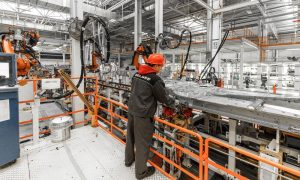
Short-term projects often involve cutting, drilling, grinding, chemical handling, or dismantling tasks carried out in confined or makeshift environments. Temporary barriers, uneven ground, and mobile equipment increase the likelihood of debris or foreign matter reaching the eyes. These risks are not mitigated by the duration of the project. Safety goggles are required wherever such hazards exist, regardless of whether the site operates for two days or two months. The lack of permanent infrastructure often means fewer engineered controls, which places greater reliance on personal protective equipment as the primary barrier against injury.
2. Short-Term Projects Increase Non-Compliance Risk
Temporary worksites tend to rely on rotating teams, subcontractors, and ad-hoc supervision. PPE distribution becomes inconsistent, and enforcement weakens as managers focus on deadlines rather than safety routines. Eye protection is frequently treated as optional when tasks are perceived as low-intensity. This instance leads to the selective use of safety goggles in Singapore, where workers only wear protection during visibly hazardous tasks and remove them during setup, inspection, or cleaning. These transitional moments account for a high proportion of eye injuries. The absence of a fixed safety culture on temporary sites increases the need for clear, enforced eyewear requirements.
3. Standard Goggles Do Not Work for All Workers
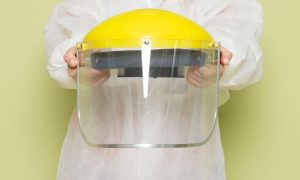
Workers with vision correction needs face practical barriers when only standard safety goggles are issued. Poor fit over personal spectacles causes fogging, discomfort, and reduced visibility, leading to non-use or unsafe modifications. Prescription safety glasses address this problem by integrating vision correction with protective standards, allowing consistent wear throughout the workday. On temporary worksites, where supervision is lighter and conditions change quickly, workers are more likely to remove uncomfortable eyewear. Failing to provide prescription safety glasses to those who need them increases both injury risk and compliance failure.
4. Temporary Does Not Remove Employer Responsibility
Project-based or short-duration work does not reduce employer obligations to manage workplace risks. Eye protection requirements should be defined during project planning, not improvised on site. This approach includes identifying tasks that require safety goggles, ensuring sufficient supply, and considering workers who require prescription safety glasses. Temporary worksites also require documented PPE briefings and clear ownership of enforcement. Once responsibility is diffused across multiple contractors, eye protection standards become inconsistent, creating predictable safety gaps.
Conclusion
Temporary worksites concentrate risk through unstable conditions, compressed timelines, and weaker safety routines. Eye protection should be determined by hazard exposure, not by how long a site operates. Safety goggles remain a baseline requirement wherever eye hazards exist, and prescription safety glasses must be accounted for to prevent predictable non-compliance. Treating temporary projects as exceptions creates avoidable injury risk and weakens overall safety governance.
Contact SafetySam to acquire protective eyewear meant for long- and short-term projects.