A watch rotor, smaller than a coin, needs a line of Arabic script engraved across it as a gift. Across town, a medical device maker needs serial numbers on surgical steel that can’t be roughened or cut into. In a third office, someone wants a company logo on a batch of black plastic USB drives. All three are about to ask for “engraving”, and only one of them actually needs it.
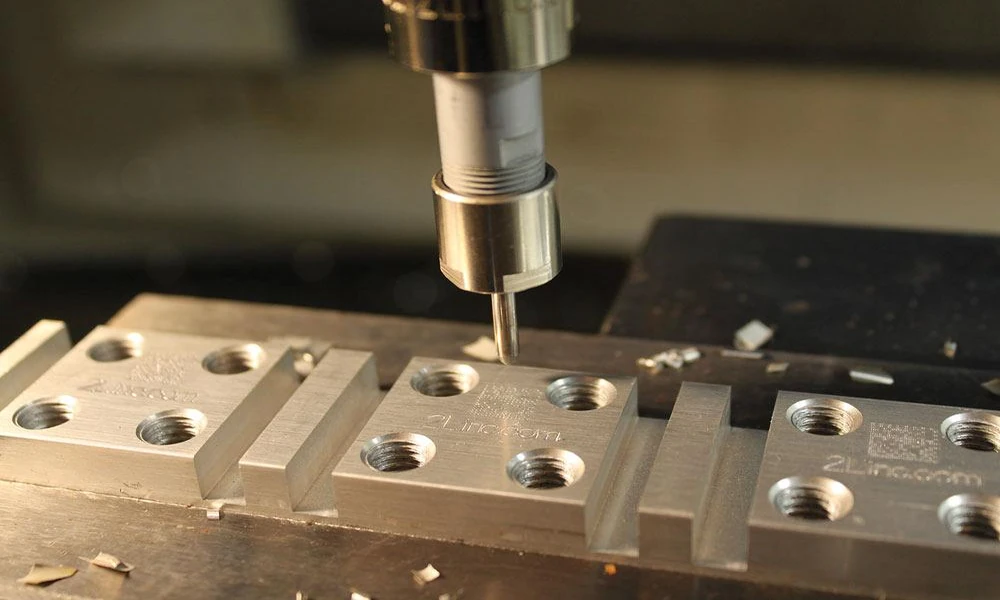
Plenty of people looking up laser engraving singapore already have the object in hand. What they often haven’t decided is how the mark should be made. Engraving is one of several laser processes, and the material, the coating and what the item has to survive usually decide which one gives the best result.
Coatings and Dark Plastics
Two more processes cover jobs where engraving is the wrong tool.
Ablation strips paint, coatings or surface treatments without damaging the base material underneath. A black-anodised or painted item can show bright metal through a precise pattern, with strong contrast and no deep cut.
Foaming is specific to plastics. The laser melts the material just enough to form tiny gas bubbles, and the marked area turns lighter than its surroundings. On a dark plastic casing, that produces a clean light mark that ink or engraving would struggle to match.
Four Processes Side by Side
Anyone weighing up laser engraving singapore quotes will find the conversation gets easier with these distinctions in mind:
| Process | What it does to the surface | Typically suits |
|---|---|---|
| Engraving | Removes material, leaving a depression | Personalised gifts, durable product marks |
| Ablation | Removes a coating or treatment, leaves base material intact | Painted or coated items needing high contrast |
| Foaming | Melts plastic to form light-coloured bubbles | Light marks on dark plastics |
| Surface annealing | Changes surface colour without cutting | Sensitive equipment and surfaces that must stay smooth |
What to Bring to the Consultation
A clear brief saves a round of back-and-forth. Bring the item itself, or at least the exact material and any coating. Bring the design as a file, along with the size it needs to appear. And explain what the item will go through: daily handling, cleaning chemicals, outdoor exposure, sterilisation.
That last detail is the one people leave out, and it’s often the one that decides the process. A specialist can then suggest engraving, or steer toward ablation, foaming or annealing if one of those suits the job better.
Back to the watch rotor. Engraving was the right call there: a permanent, personal mark on a gift meant to be kept for years. The surgical steel went to annealing. The black USB drives were foamed. Three requests that started with the same word ended up with three different processes, each chosen for what the item would face after it left the workshop.