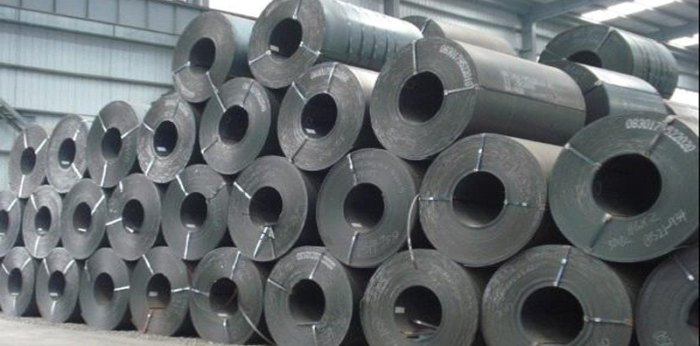
Ocean-going vessels loaded with gleaming steel coils or hefty billets present a striking image, but beneath the surface lies a world of careful planning, precision, and risk management. For companies moving steel products across continents, getting the loading process right is not just a matter of efficiency; it’s the difference between safe delivery and millions in damages.
Understanding the Challenges of Loading Steel Products for Maritime Transport
Steel may be durable, but its journey across the seas is anything but straightforward. With cargoes ranging from delicate coils to massive slabs, every shipment faces unique threats.
Unique Characteristics of Steel Cargoes
Steel products come in a dizzying array of shapes and sizes: coils, wire rods, plates, profiles, and reinforcing bars, as well as unfinished forms like slabs and billets. Each type demands tailored handling techniques. For example, coils are prone to telescoping or rolling, while plates and sheets can warp or bend if not stacked and secured correctly.
Risks Associated with Maritime Transport of Steel
Steel’s high density makes it susceptible to shifting under the vessel’s motion, which can threaten both cargo and ship stability. Moisture and saltwater exposure pose another challenge, as even brief contact can result in staining or corrosion before the cargo reaches its destination.
Importance of Proper Loading Procedures
Cutting corners during loading invites disaster. Incorrectly loaded steel may suffer physical damage, develop rust, or cause vessel imbalance. Proper procedures are the first line of defense against such outcomes, protecting cargo value and crew safety alike.
Pre-Loading Preparations and Surveys
Before the first piece of steel is lifted aboard, thorough preparation paves the way for a smooth operation.
Empty Hold Inspection: Ensuring Vessel Readiness
A meticulous empty hold inspection ensures no remnants from previous cargoes, contaminants, or moisture are present. The hold must be structurally sound, dry, and lined or cleaned as needed to prevent steel from direct contact with the ship’s surfaces.
Draft Surveys: Calculating Cargo Weight Accurately
Draft surveys apply Archimedes’ principle to determine how much cargo is actually loaded. By measuring the vessel’s displacement before and after loading, surveyors accurately calculate the total weight of steel loaded, which is essential for safety, billing, and compliance.
Pre-Loading Surveys Specific to Steel Products
Steel often requires specialized pre-loading surveys. These inspections assess the condition of the cargo before it is shipped, documenting any pre-existing rust, scratches, or deformation. Surveyors also verify that lifting and handling equipment is suitable for the type and weight of steel products to be loaded.
Documentation and Regulatory Compliance
Every step must be underpinned by robust documentation, from hold condition reports to pre-loading certifications. Compliance with local and international maritime regulations is mandatory to avoid legal pitfalls and facilitate cargo claims if something goes wrong.
Best Practices for Loading Different Types of Steel Products
The loading method must be matched to the steel’s format and vulnerabilities.
Handling and Loading Steel Coils and Wire Rods
Steel coils are best loaded ‘eye to the sky’ or ‘eye to the side,’ depending on vessel configuration, using cradles or saddles to prevent movement and deformation. Wire rods, often loaded in bundles, require tight packing and additional securing with chocks and lashings.
Loading Plates, Sheets, Flats, and Profiles
Flat products must be stacked evenly to distribute weight and avoid bending. Profiles and bars need separation with dunnage to prevent surface damage, and all pieces should be lashed securely to prevent shifting.
Procedures for Slabs, Billets, and Reinforcing Bars
Heavier items like slabs and billets demand reinforced stowage areas and specialized lifting gear. Reinforcing bars, often shipped in bundles, need firm securing to avoid movement and abrasion.
Securing Cargo to Prevent Shift and Damage
Every load must be stabilized using chocks, wedges, lashing, and protective dunnage. The goal is to keep the cargo immobile, regardless of vessel motion or weather conditions.
Ensuring Cargo Safety and Integrity During Transit
Safety does not end once the hold doors close.
Use of Dunnage and Protective Materials
Timber, rubber mats, and plastic sheets cushion the steel, separating it from the hold surfaces and absorbing shocks during transit. Protective coatings and waterproof covers may be used to reduce exposure to moisture.
Load Distribution and Stability Considerations
Correct load distribution is vital to prevent vessel list or trim problems. Even minor imbalances can compromise ship stability, making careful planning essential at every stage.
Monitoring and Inspection During Voyage
Regular inspections by the crew help identify any cargo movement, moisture ingress, or other issues early. Prompt intervention can prevent minor problems from escalating.
Contingency Plans for Adverse Weather and Emergencies
Even with meticulous planning, storms or mechanical issues can arise. Having clear contingency plans, including procedures for re-securing cargo, is essential.
Post-Loading Verification and Reporting
Once loading is complete, verification steps confirm everything is as it should be.
Final Draft Survey and Weight Confirmation
A post-loading draft survey validates the actual cargo loaded, reconciling it with documentation and contractual obligations.
Hold Condition Reassessment
Inspecting the holds immediately after loading ensures no unintended damage has occurred and that the cargo remains secure.
Reporting and Communication with Stakeholders
Comprehensive, timely reporting to all stakeholders keeps the supply chain informed and ready for the next stage. Independent inspectors, such as Sea Sob marine surveyors, provide valuable third-party verification and peace of mind throughout the process.
Innovations and Technologies in Steel Cargo Loading
The industry is evolving with technology.
Advances in Survey Techniques and Equipment
Modern laser measurement tools and 3D scanning improve the accuracy and efficiency of draft surveys and cargo inspections.
Digital Tools for Load Planning and Monitoring
Sophisticated software now helps optimize stowage plans, balancing vessel stability with cargo safety. Real-time monitoring systems alert crews to any shifting or environmental changes mid-voyage.
Future Trends in Maritime Steel Transport
Looking ahead, automation and AI promise to further reduce human error, enhance safety, and streamline documentation from port to port.
Conclusion: Optimizing Steel Cargo Loading for Safe and Efficient Maritime Transport
Every steel shipment is a logistical puzzle, demanding expertise, vigilance, and continuous adaptation. From the first empty hold inspection to the last stakeholder report, strict adherence to best practices ensures that steel products reach their destination intact. As technology reshapes the industry, the fundamentals of planning, precision, and skilled oversight remain as crucial as ever.