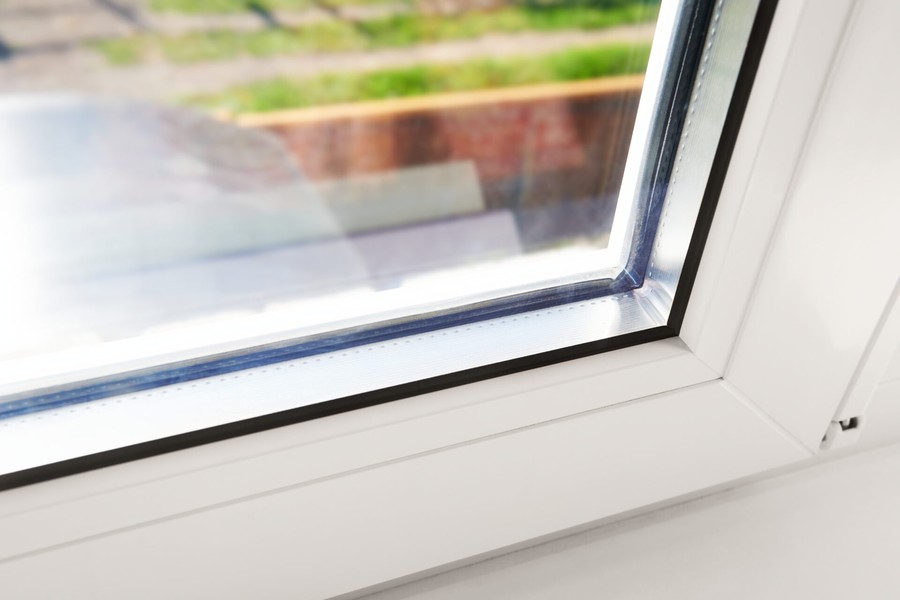
Insulated Glass Units (IGUs) are very popular in modern residential and commercial buildings because of their beauty, soundproofing capabilities, and thermal efficiency. They consist of two or more glass panes that have a vacuum-sealed air space in between. However, the vacuum seal can fail over time due to a myriad of reasons, compromising the glass’s structural integrity and aesthetics.
If you notice frosting or condensation build-up between two glass units, it could be due to an internal seal failure. How to diagnose and fixing an issue like this inside a multi-glazed unit window can not only save you a lot of cash, but also increase the lifespan of the installation.
This is particularly true regarding commercial buildings or facilities that utilize large amounts of glass. In this article, we go over the causes and symptoms of glass seal failure on insulated glass units.
What Causes Seal Failure In Insulated Glass?
The breaking down of the watertight seal, which enables moisture intrusion inside the panes, results in seal failure. These are used to increase the durability and structural raw strength of the device in case it is subjected to severe bending moments outside the boundary limits provided in the support structure.
This is a common problem of double glass PVB office that arises due to:
• Deterioration With Time:
Materials undergo cyclic thermal expansion and contraction due to regular usage, and over the years, they degrade
• Improper Installation:
Use of a low-quality seal & poorly placing the seal can weaken the assembled reservoir.
• Environmental Severity:
Alterations in extreme UV exposure, temperature, or weather changes can weaken the vacuum seal.
• Physical Strain:
The bonds can be broken by external violent force or movement, especially shattering.
Signs of Seal Failure to Watch For
Identifying seal failure in early indicators greatly helps in avoiding further damage. The following are straightforward signs to watch out for:
• Fogging or Condensation:
This occurs when water vapor trapped inside a glass unit creates a foggy or misty look.
• Water Droplets:
Water droplets are visible between the two glass panes, indicating air and moisture ingress.
• Reduced Thermal Efficiency:
Thermal efficiency reduction. For example, the office or room may feel colder or warmer close to the glass, which increases the energy cost.
• Visual Distortion:
At times, the glass looks cloudy or stained due to the contaminants within the glass.
Can You Repair a Failed Seal?
Sadly, the answer is no: once an insulated glass seal has failed, it is typically impossible to repair it because the glass units undergo automatic seal hermetic sealing during manufacturing. The following are some of the options available to you:
1. Glass Unit Replacement
With minimal risk of unreliability, it is advisable to replace the whole insulated glass unit as a more durable solution. This action will also restore the energy efficiency, appearance, and the window or door’s functionality. Replacement entails the following steps:
- Remove the current IGU from the door or window frame.
- Install sealed new units with fresh seals and gas fill into the factory.
2. DIY Defogging (Temporary Cosmetic Fix)
A number of companies will defog windows by removing moisture between the panes and applying anti-fog treatments.
Conclusion
Seal decline in the insulated mirror is a common issue that compromises thermal effectiveness and appearance. While the seal itself is troublesome to repair, replacing the IGU ensures complete performance and comfort. Proper establishment and maintenance can offer the life of your insulated glass, saving you from expensive repairs down the line.